


Pre-Treating 101: Why Salting Roads Before the Storm Matters
Pre-Treating 101: Why Salting Before the Atlanta January 2026 Storm Matters
When winter storms strike, keeping roads safe and passable becomes a top priority for municipalities, businesses, and homeowners alike. One essential step in winter weather preparation is pre-treating—specifically, salting the roads and walkways before the snow and ice arrive. This proactive approach can prevent hazardous conditions, reduce cleanup time, and save costs in the long run.
In this article, we’ll explore the basics of pre-treating, why salting before the storm matters, and best practices to ensure maximum effectiveness.
What Is Pre-Treating?
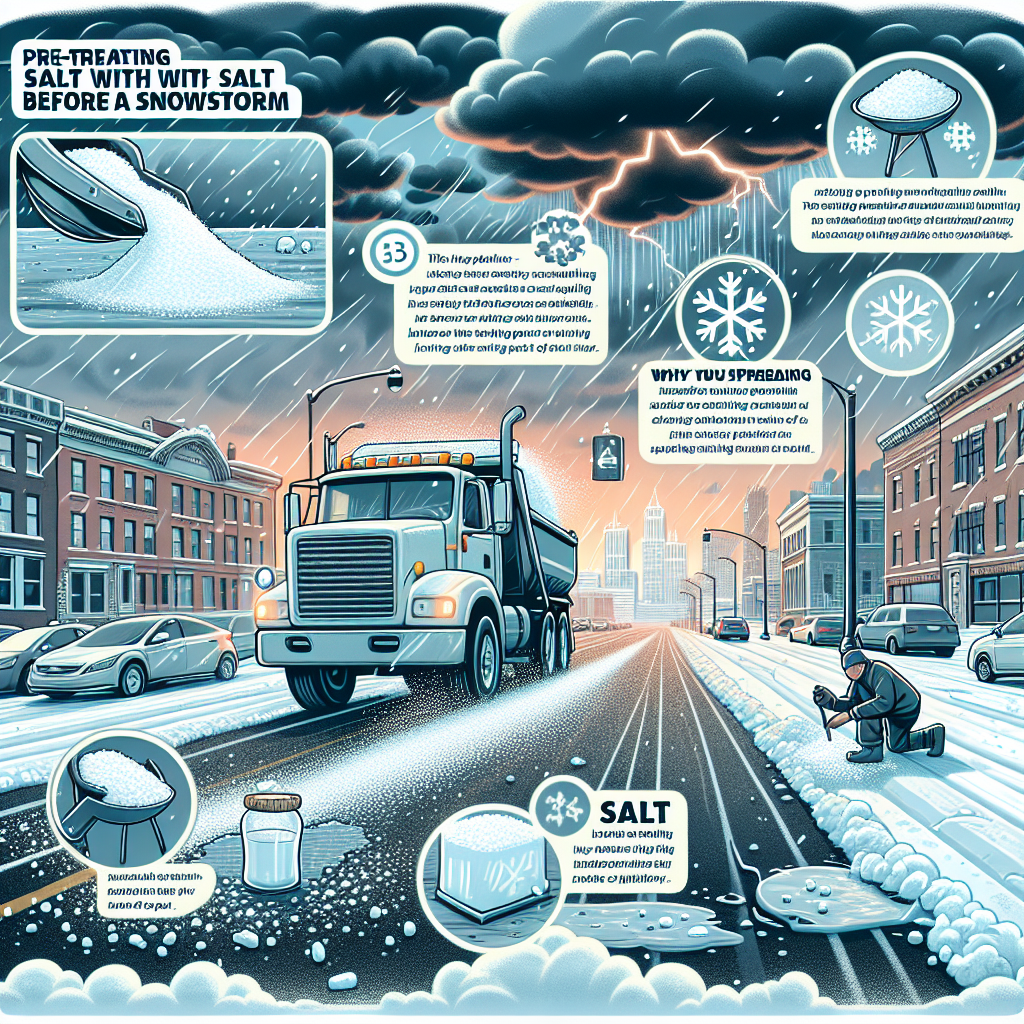
Pre-treating involves applying salt or other ice-melting chemicals to surfaces before a winter precipitation event begins. Unlike reactive treatment, which is done after snow or ice accumulates, pre-treating creates a preventive barrier that stops ice from bonding strongly to pavement.
This process is sometimes called anti-icing and is widely recognized as a critical component of winter road maintenance strategies.
Why Salting Before the Storm Matters
Salting before snow or ice arrives offers several important benefits:
1. Prevents Ice Formation
When salt is applied on dry pavement, it forms a brine solution as soon as the moisture arrives. This brine lowers the freezing point of water, making it much harder for ice to form and adhere to the surface. Without this protective layer, snow and ice can quickly bond to roads and sidewalks, making cleanup far more difficult.
2. Reduces Hazardous Conditions
By preventing ice from bonding tightly to surfaces, pre-treatment helps reduce dangerous slips and falls for pedestrians and decreases vehicle accidents caused by slick roads. This improves safety for the community and lowers liability risks for property owners.
3. Saves Time and Money
Removing ice that bonds firmly to pavement requires more effort, more salt, and more time than preventing ice formation in the first place. By pre-treating, maintenance crews can reduce the frequency and intensity of plowing and salting, leading to cost savings and more efficient use of resources.
4. Enhances Salt Efficiency
Salt applied after ice has formed tends to be less efficient because it must first melt the existing ice before it can prevent further accumulation. In contrast, pre-treatment uses smaller amounts of salt to create an effective anti-icing layer, conserving materials and minimizing environmental impact.
Best Practices for Effective Pre-Treating
To get the most out of your pre-treatment efforts, consider these expert tips:
Use the Right Materials
- Rock salt (sodium chloride): Most commonly used due to cost-effectiveness and availability; works best above 15°F (-9°C).
- Calcium chloride: More effective in extremely low temperatures, can work down to -25°F (-31°C).
- Magnesium chloride: Low corrosion potential and environmentally friendly.
- Pre-wetted salt or brine: Helps salt stick to pavement and activates faster.
Apply at the Optimal Time
- Treat surfaces when pavement temperatures are near or below freezing but before moisture arrives—usually a few hours prior to the storm.
- Avoid pre-treating too early; solution can lose effectiveness if exposed to sunlight or dry conditions too long before precipitation.
Calibrate Equipment Properly
- Ensure spreader or sprayer equipment applies the correct salt rate evenly to avoid over or under-application.
- Conduct routine maintenance on equipment to prevent clogs or malfunctions during critical moments.
Monitor Weather and Pavement Temperatures
- Use reliable weather forecasts and pavement temperature sensors to determine the best timing and product choice for pre-treatment.
- Adjust treatment plans based on changing conditions throughout the winter season.
Common Challenges and How to Overcome Them
Salt Runoff and Environmental Concerns
While salt is effective, it can harm nearby vegetation and aquatic ecosystems if over-applied or poorly managed. To mitigate these effects:
- Use the minimal effective amount.
- Combine salting with physical snow removal.
- Consider eco-friendly alternatives where appropriate.
Equipment and Labor Availability
Pre-treating requires careful coordination and resource allocation. Preparing in advance is key:
- Train staff on anti-icing techniques.
- Have equipment ready and inspected before winter.
- Develop a schedule aligned with weather forecasts.
Conclusion
Salting before the storm is a vital preventative strategy that keeps roads and walkways safer, costs down, and maintenance efforts manageable during winter weather. By understanding the basics of pre-treating and implementing best practices, communities and property owners can face the challenges of cold weather with confidence and efficiency.
Remember, in winter weather management, a little preparation goes a long way—so never underestimate the power of salting before the storm.