
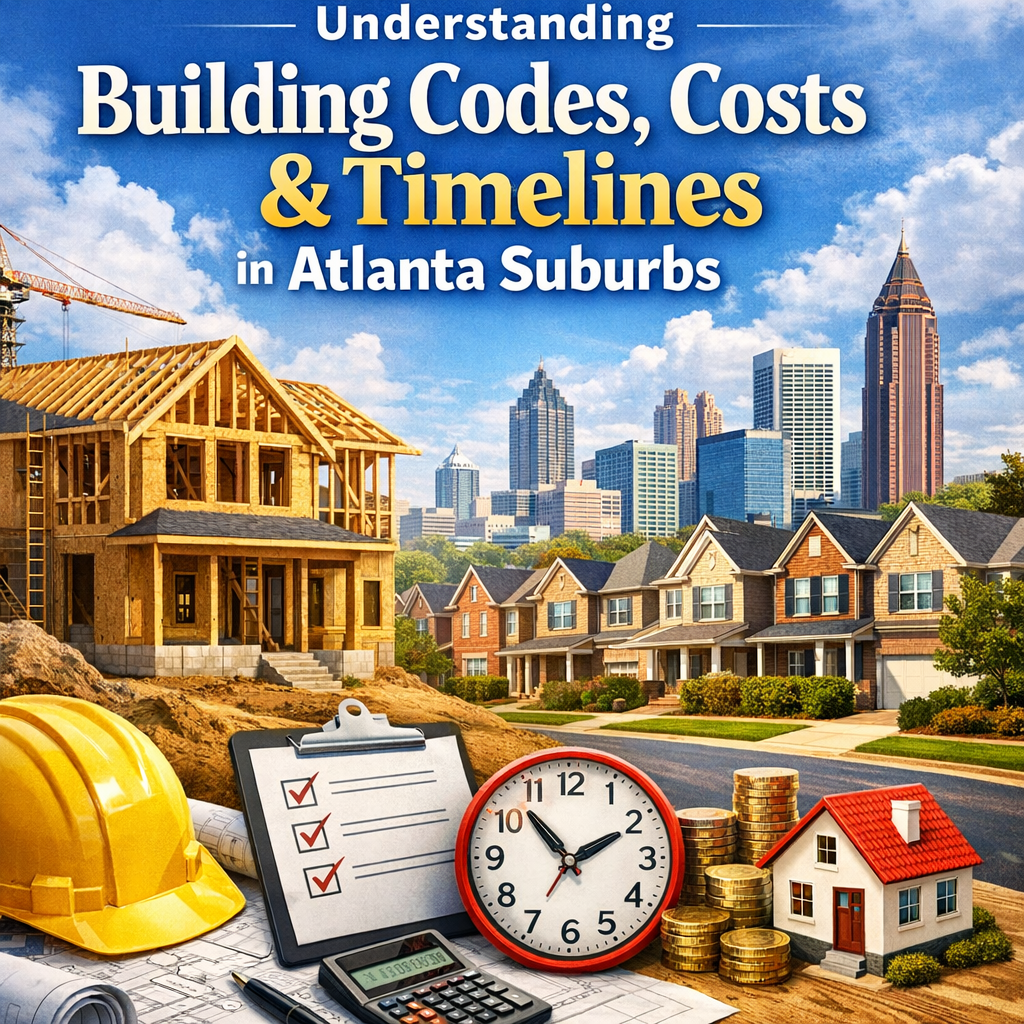
Understanding Building Codes, Costs, and Timelines in Atlanta Suburbs
Building in the Atlanta Suburbs: Key Differences in Codes, Costs, and Timelines
Building a home or commercial property in the suburbs of Atlanta can be an exciting journey. However, it’s vital to understand how suburban construction differs from urban construction in terms of building codes, costs, and project timelines. Whether you are a developer, a future homeowner, or simply an industry enthusiast, navigating these regulations can help streamline the building process and potentially save significant time and money.
Understanding the Building Codes
Zoning Laws and Regulations
One of the first distinctions to consider are the zoning laws. Atlanta suburbs often have different zoning requirements compared to the city center. These laws can affect building height, setbacks, parking requirements, and even the types of materials you can use. For example:
- Fulton County might have different residential and commercial zoning laws compared to neighboring Cobb County.
- Suburban areas generally allow for more extensive residential properties due to larger lot sizes compared to the denser urban zones.
Building Codes and Permits
Building codes in the suburbs may also differ. Suburban codes frequently emphasize residential aesthetics and community standards, which can impact everything from the structural design to the landscape:
- Fire safety codes might be more stringent in wooded suburban areas prone to wildfires.
- Energy codes may vary, with some suburbs adopting more progressive measures to promote sustainability.
Acquiring permits in the suburbs is another area where you may encounter differences. The process can be less cumbersome than in the city, chiefly because suburban planning departments may handle fewer applications.
Analyzing the Costs
Land Acquisition Costs
Cost considerations begin with land acquisition. Generally, land in the suburbs is less expensive per square foot than in urban areas, but prices can vary significantly from one suburb to another based on:
- Proximity to Atlanta city center
- Local amenities and infrastructure
- Local demand and economic conditions
Construction Costs
Construction costs themselves can vary:
- Labor Costs: With a potential shortage of local specialized labor in suburban areas, costs might increase if workers need to be brought in from farther away.
- Materials Costs: Transportation costs for materials are typically higher in suburban areas due to the distances suppliers need to cover.
However, due to the larger size plots and more accessible sites, certain economies of scale might be achievable in building larger units or multiple units at once in suburban settings.
Project Timelines
Planning and Approval Phases
The timeline from planning to completion can differ mainly because of the bureaucratic process:
- In suburbs, where there are fewer applications, your project might go through the approval phases quicker compared to Atlanta’s city process.
- Community feedback is essential in suburban areas, and securing buy-in can either speed up or delay a project.
Construction Phase
Weather can also play an unexpected role in the timeline. Suburban Atlanta can experience different micro-climates, so planning construction outside of high-risk weather periods is crucial.
Key Considerations for Successful Building Projects
To successfully navigate building in the Atlanta suburbs, consider these additional factors:
- Local Expertise: Engage with architects and contractors who have specific experience and understanding of the suburb’s codes.
- Community Engagement: Actively participate in community sessions to gather support or feedback to facilitate smoother approvals.
- Budget Flexibility: Prepare for variable costs by budgeting for contingencies, especially concerning labor and material transport.
Conclusion
Building in the suburbs of Atlanta offers numerous opportunities, from creating personalized residential spaces to pioneering new commercial hubs. By understanding the nuanced differences in codes, costs, and timelines, you can better prepare for a successful construction project. Whether it’s accommodating local codes or optimizing budget plans, each step requires careful planning and informed decision-making. Embracing these challenges not only enhances the building experience but also contributes to the vibrant growth of Atlanta’s suburban landscape.