Sustainable Building in Atlanta: Discover Eco-Friendly Construction Options
Atlanta is ever-evolving as a beacon of modernity and innovation. Amidst this landscape, the shift towards sustainability in construction is not merely a trend, but a necessary shift. As more individuals and businesses recognize the importance of reducing environmental footprints, there is an increased demand for eco-friendly construction options. In this blog post, we will explore the materials, technologies, and building practices that are positioning Atlanta as a leader in sustainable building.
Eco-Friendly Materials Used in Atlanta’s Construction
One of the pillars of sustainable building is the use of materials that are environmentally responsible and resource-efficient throughout their life cycles. Here’s a look at some popular eco-friendly materials making their way into Atlanta’s buildings:
1. Bamboo
Easily renewable and incredibly sustainable, bamboo is a fast-growing grass that is strong, versatile, and has a compressive strength similar to concrete. It’s used in flooring, roofing, and paneling.

2. Recycled Steel
Utilizing recycled steel helps reduce the enormous energy used and pollution created in steel production. Recycled steel is now a staple for structural components in many Atlanta buildings.
3. Insulating Concrete Forms (ICFs)
ICFs are forms for poured concrete walls, which remain as part of the wall assembly. This system creates walls with high thermal resistance, which significantly reduces heating and cooling demands.
Astute selection of materials is just the first step; how they are employed in construction projects also plays a crucial role.
Innovative Building Technologies in Atlanta
Adoption of advanced technology can significantly enhance building efficiency and sustainability. Here are some leading technologies that Atlanta’s construction sector is leveraging:
1. Solar Power Integration
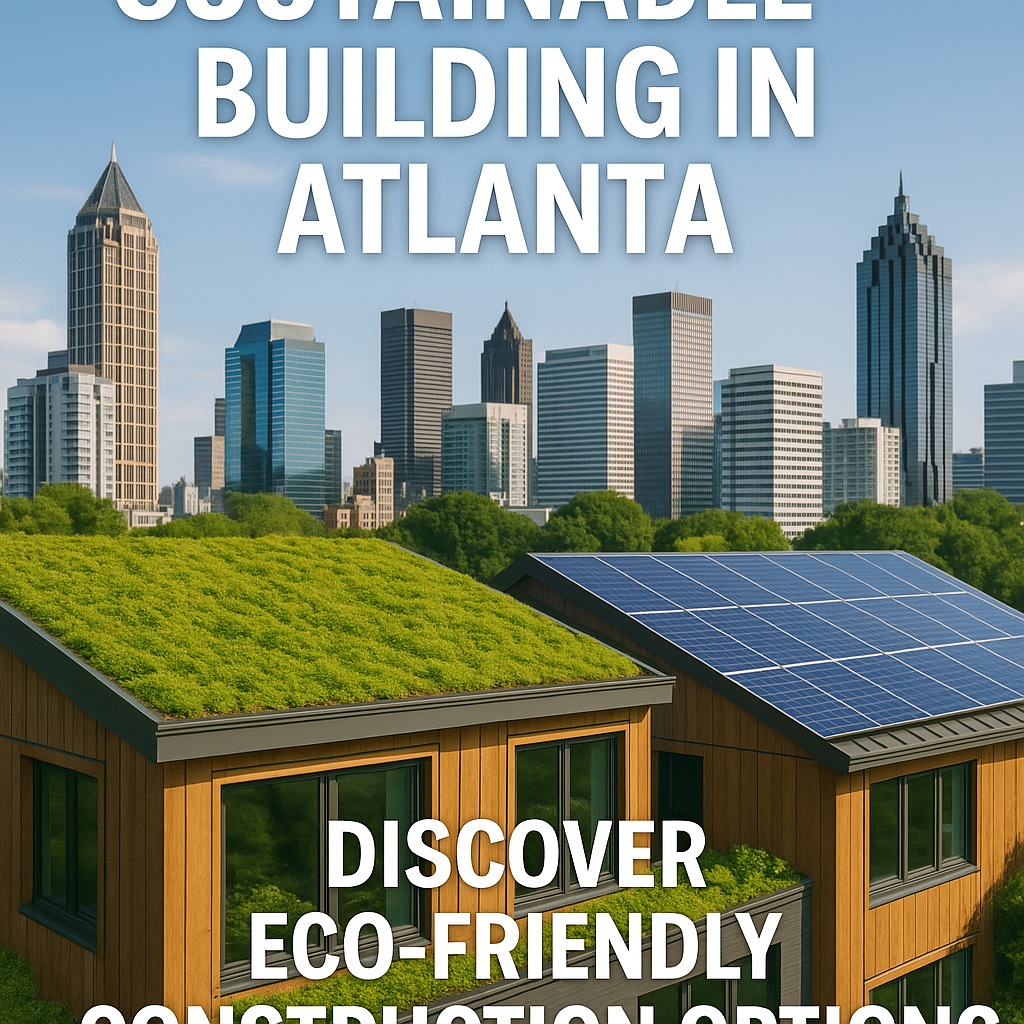
Incorporating solar panels and solar-ready roofing into building designs is becoming common. Atlanta sees a considerable amount of sunshine year-round, making it a prime candidate for solar power generation.
2. Smart Building Technology
From automatic lighting sensors to advanced HVAC systems, smart technology helps reduce the energy load of buildings and enhances the comfort of occupants.
3. Green Roofs and Walls
These not only improve the aesthetics of buildings but also help in insulation, reducing the need for additional energy expenditure on cooling or heating.
Building Practices That Promote Sustainability
Beyond materials and technologies, the practices adopted during the construction process play a crucial role in sustainability. Here are some of the pioneering practices being adopted in Atlanta:
1. Sustainable Site Selection and Management
This involves choosing sites that bolster conservation and reduce environmental impact. Techniques include managing stormwater, reducing soil erosion, and preserving native vegetation.
2. Water Efficiency
Practices such as rainwater harvesting and the installation of fixtures that reduce water consumption are becoming commonplace in Atlanta’s new buildings.
3. Waste Reduction
Construction and demolition waste reduction strategies are vital. In Atlanta, many construction projects now plan for material recycling and optimized resource usage, aiming for minimal landfill contributions.
Leading Examples of Sustainable Building in Atlanta
Atlanta is home to several iconic eco-friendly buildings that stand as testimony to the city’s commitment to sustainability. Noteworthy mentions include:
1. The Edge Building
Certified LEED Gold, The Edge integrates sustainable woods, energy-efficient systems, and green roofs to minimize environmental impact while offering state-of-the-art facilities.
2. The Atlanta BeltLine
While not a building, the BeltLine is a regional sustainability project that revitalizes urban land surrounding 22 miles of historic railroad corridors into parks, mixed-use developments, and pedestrian-friendly areas.
By examining the materials, technologies, and practices detailed above, it is clear that Atlanta is on a robust path toward sustainable building. Through continued innovation and commitment, the city is setting a standard that hopefully, many others will follow. For professionals and residents alike, being informed about these options is the first step toward making more sustainable choices in construction and urban development.