
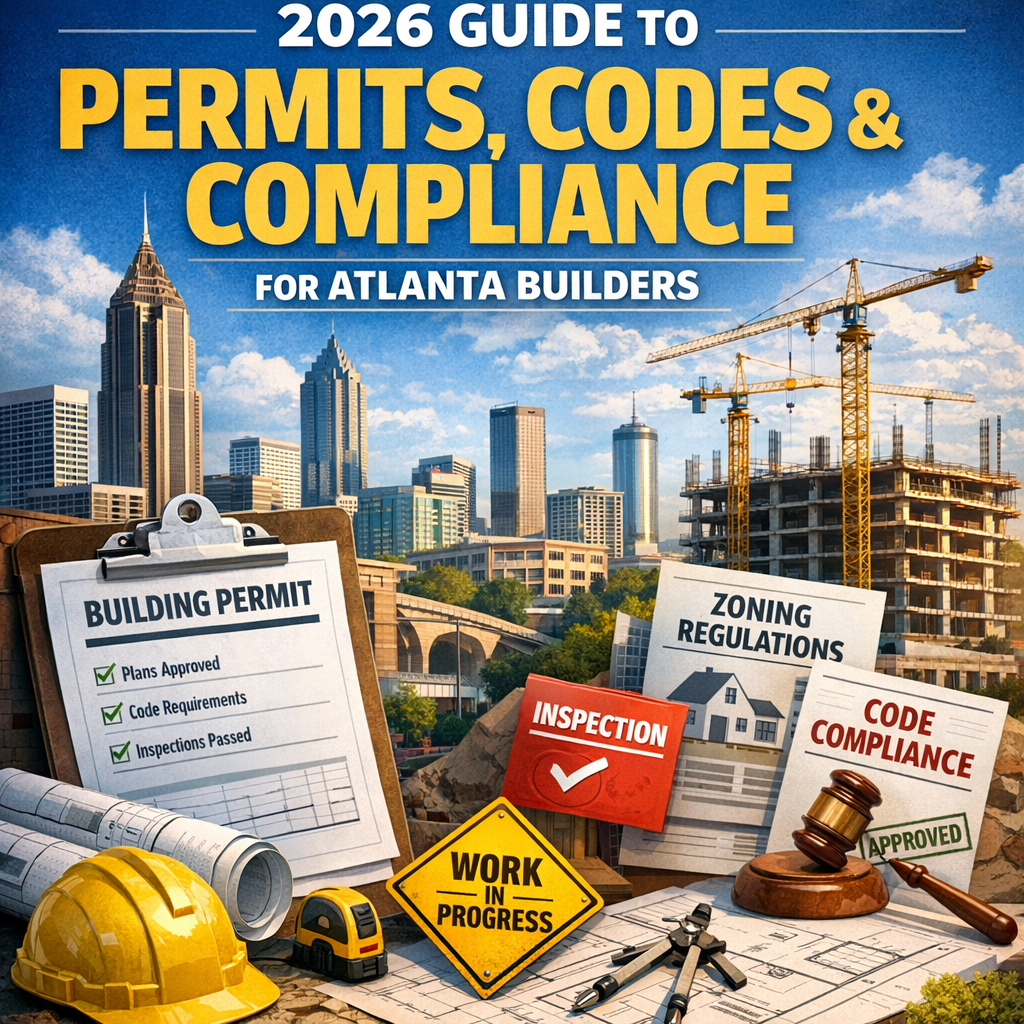
2026 Guide to Permits, Codes, and Compliance for Atlanta Builders
Permits, Codes, and Compliance: A 2026 Guide for Metro Atlanta Builders
Navigating the complex world of building regulations is a crucial task for any builder or developer in the Metro Atlanta area. As we approach 2026, staying updated with the latest requirements in permits, codes, and compliance is not just beneficial—it’s essential for project success and legal adherence. This guide provides a comprehensive overview to help you understand and manage these regulations effectively.
Understanding Building Permits in Metro Atlanta
Building permits are official approvals issued by local government agencies that allow you to proceed with a construction project. In Metro Atlanta, the process for obtaining these permits can vary slightly depending on the specific county (such as Fulton, Cobb, or DeKalb) but generally involves several key steps:
- Pre-application meeting: Some jurisdictions require a preliminary meeting to discuss your project with city planners.
- Submission of detailed plans: Submit detailed drawings and plans of the proposed project for review.
- Plan review and approval: The local building department will review your submission to ensure it meets all zoning and building codes.
- Permit issuance: Once approved, you’ll receive your permits, allowing construction to begin.
Key Codes to Comply With
1. Building Codes
- International Building Code (IBC): Ensures the safety and health of occupants by regulating design, construction, materials, and occupancy loads.
- International Residential Code (IRC): Applies specifically to single-family homes, townhouses, and small residential buildings.
2. Electrical Codes
- National Electrical Code (NEC): This code sets the standard for safe electrical design, installation, and inspection to protect people and property from electrical hazards.
3. Plumbing and Mechanical Codes
- International Plumbing Code (IPC) and International Mechanical Code (IMC): These govern the installation and maintenance of plumbing and mechanical systems to ensure efficient and safe operation.
Navigating Zoning Laws
Zoning laws in Metro Atlanta dictate how certain plots of land can be used. These regulations affect land use types, building heights, setbacks, density, and other aspects of property development. As a builder, you must comply with these specifications:
- Land Use: Make sure your project aligns with the permitted uses for its zoning classification.
- Setbacks and Buffer Requirements: Check for any specific requirements about how far a structure needs to be from property boundaries.
- Height Restrictions: Height limits can be pivotal in planning multi-story developments.
Staying Ahead with Green Building Compliance
Metro Atlanta is increasingly emphasizing sustainable building practices. Compliance with standards such as LEED or the National Green Building Standard (NGBS) can not only help the environment but also market your project more effectively to eco-conscious buyers. Components to consider include:
- Energy Efficiency: Installation of energy-efficient windows, insulation, and HVAC systems.
- Water Conservation: Use of water-efficient fixtures and landscaping that reduce the need for irrigation.
- Materials: Opting for materials that are sustainably sourced and provide better durability and insulation.
Regular Inspections and Maintaining Compliance
Once your project is underway, it will be subject to periodic inspections to ensure compliance with the approved plans and codes. These typically occur:
- After foundation laying
- Post-rough framing, plumbing, and electrical installation
- Before covering any work that will be hidden from view in the final construction
- Final inspection upon completion
Preparation for inspections involves ensuring that all aspects of the construction align with the codes and specifications initially approved. Non-compliance can lead to project delays, fines, or even legal action.
Conclusion
For builders in Metro Atlanta, an understanding of and compliance with local building codes, permits, and zoning laws is essential. By staying informed of these requirements and incorporating compliance into the planning and execution of your projects, you can ensure smoother operations and avoid potential setbacks. Remember, when in doubt, consulting with a professional who specializes in local construction law can provide valuable guidance and peace of mind.
Stay compliant, and build confidently in Metro Atlanta in 2026 and beyond!