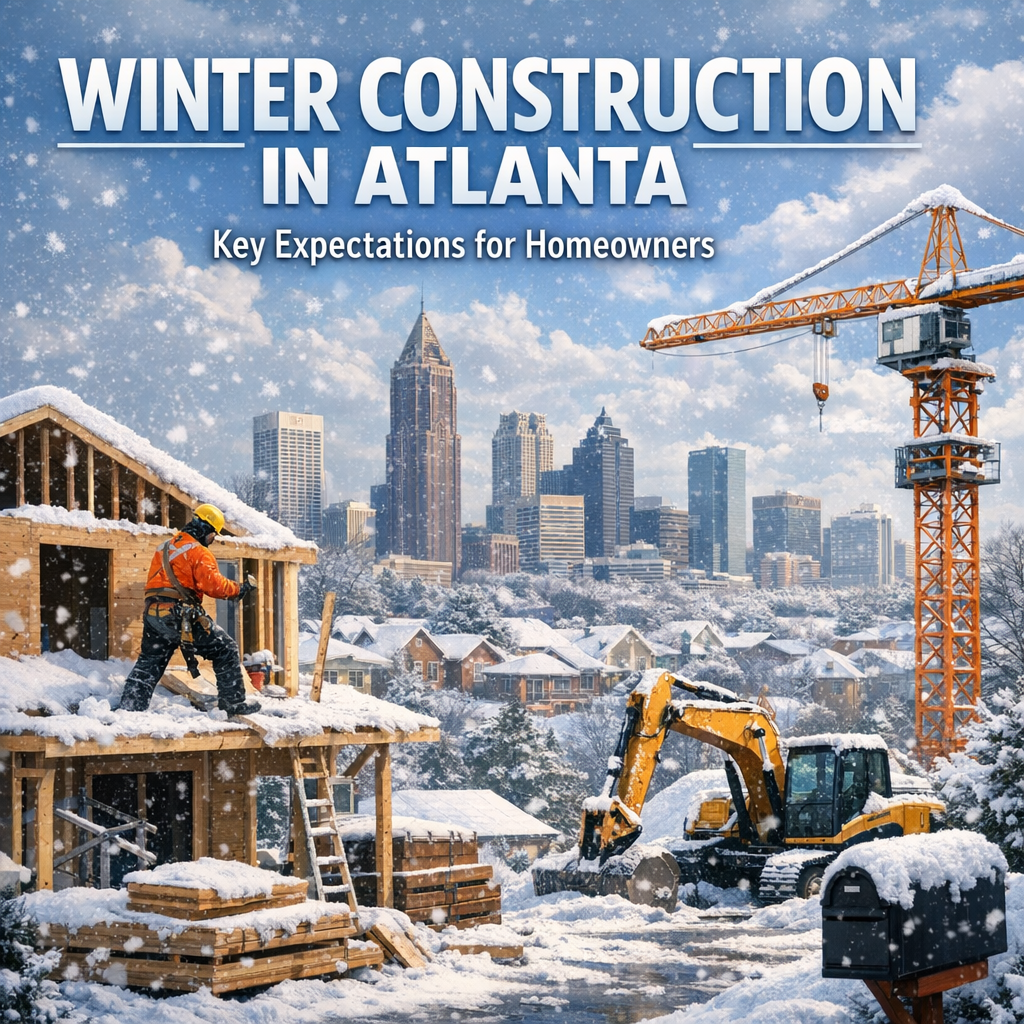
Winter Construction in Atlanta: Key Expectations for Homeowners
Winter Construction in Atlanta: What Homeowners Should Expect
As winter approaches in Atlanta, homeowners contemplating construction projects might have numerous questions about the feasibility and challenges of building during the colder months. While Atlanta is known for its relatively mild winters compared to the northern states, the season still brings specific considerations that affect construction activities. Understanding these factors can help you align your expectations and plan accordingly.
Weather Impacts on Construction
Temperature Variations
While extreme cold is rare, Atlanta does experience chillier temperatures during the winter months, usually ranging from the low 30s to the mid-50s. These cooler temperatures can affect many aspects of construction:
- Concrete Pouring: Concrete needs to cure at a certain temperature, and cold weather can significantly slow this process. Techniques like heated enclosures or additives to speed up curing time are often required.
- Painting and Staining: Cooler and damper weather can extend the drying times for exterior painting and staining.
- Working Hours: Shorter daylight hours can reduce productive working time unless adequate lighting is provided.
Precipitation and Humidity
Atlanta winters can also be wet, with increased rainfall potentially causing delays:
- Site Access: Excessive rain can lead to muddy and unsafe conditions around the construction site.
- Material Storage: Proper storage becomes crucial to protect supplies from moisture.
- Schedule Delays: Persistent bad weather may delay projects, particularly those that require a lot of outdoor work.
Planning for Winter Construction
Starting Early
One of the best strategies is to begin planning your construction project well in advance. Winter conditions mean that some tasks will inherently take longer than they would in warmer months. By starting the planning process in summer or early fall, you can anticipate and mitigate potential delays.
Choosing the Right Contractors
Not all contractors are well-versed in the nuances of winter construction. It’s important to choose teams that have experience and can demonstrate knowledge of the specific challenges posed by colder weather. They should offer strategies for dealing with typical winter issues, such as using ground thaw heaters or ensuring that framing materials are protected from moisture.
Flexibility and Contingency Planning
Incorporating flexibility into your timeline is essential for winter construction projects. Even with the best planning, unexpected weather conditions can cause delays. Homeowners should discuss contingency plans with their contractor, including what steps will be taken in case of severe weather or unexpected complications.
Economic Considerations
Winter can sometimes offer economic advantages for construction due to the decrease in demand. Some key benefits include:
- Lower Costs: Contractors and subcontractors might offer competitive pricing during winter to keep their crews busy.
- Availability of Contractors: With fewer projects going on, schedules might be more flexible, and the availability of high-quality contractors could be better than in peak seasons.
Health and Safety Measures
Winter construction requires stringent health and safety measures:
- Worker Safety: Cold weather gear and frequent breaks are necessary to prevent hypothermia and other cold-related injuries.
- Job Site Safety: Sites should be cleared of ice and snow regularly to prevent accidents.
- Material Handling: Special care should be taken to prevent materials from freezing or retaining moisture, which can compromise structural integrity.
Conclusion
Winter construction in Atlanta is certainly feasible but requires meticulous planning, experienced contractors, and a flexible approach. By understanding the unique challenges and economic benefits of building in the winter, homeowners can make informed decisions that align with their goals and timelines. Whether you’re adding a room, remodeling a kitchen, or embarking on an entirely new construction, the key to winter building success lies in preparation and choosing the right partners.