
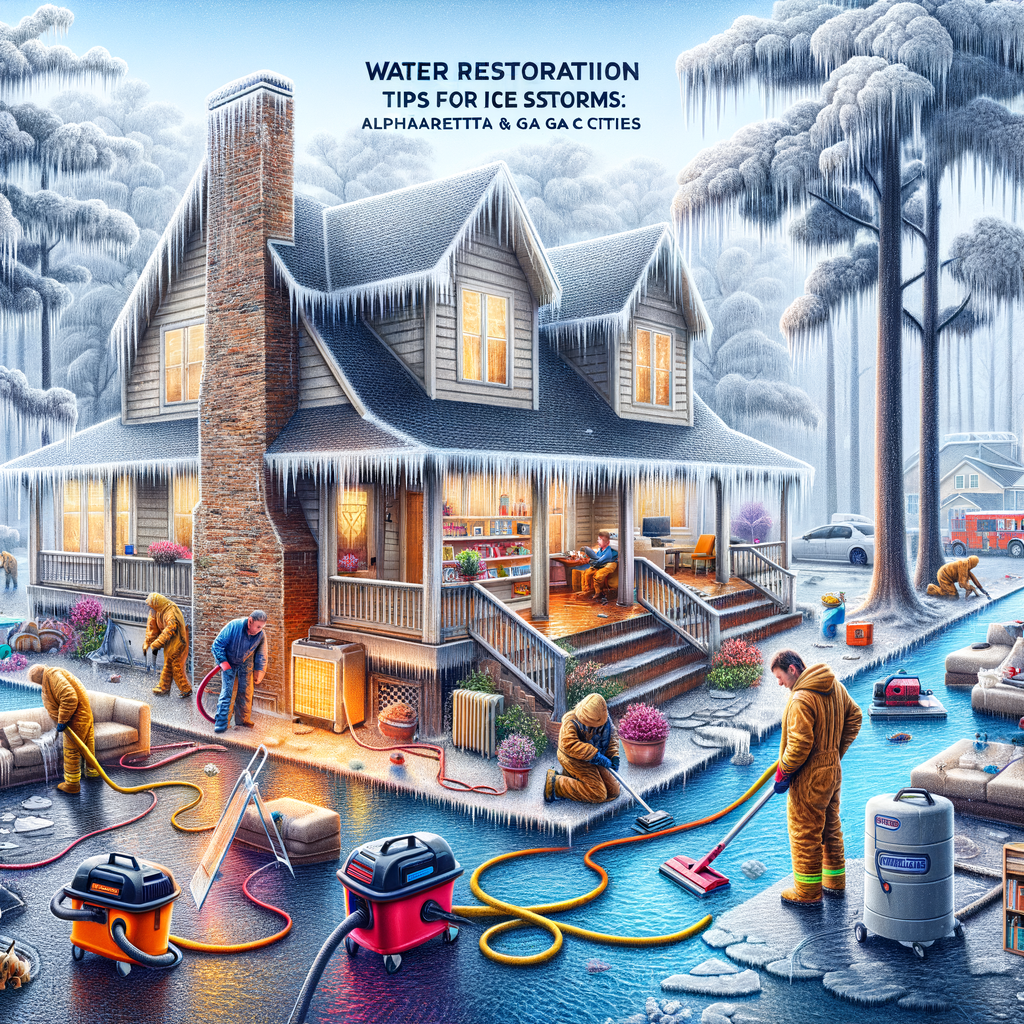
Water Restoration Tips for Ice Storms in Alpharetta & Nearby GA Cities
Water Restoration Tips During the Upcoming Ice Storm for Alpharetta, Johns Creek, Milton, Cumming, Buford, Suwanee, GA
As an ice storm approaches the North Georgia region, including Alpharetta, Johns Creek, Milton, Cumming, Buford, and Suwanee, residents should prepare for potential water damage caused by freezing temperatures and heavy ice accumulation. Water restoration can be challenging during icy conditions, but with the right knowledge and preparation, you can minimize damage to your home or business.
In this post, we share essential water restoration tips during the upcoming ice storm to help you protect your property and expedite recovery if water damage occurs.
Understanding the Risks of Ice Storms in North Georgia
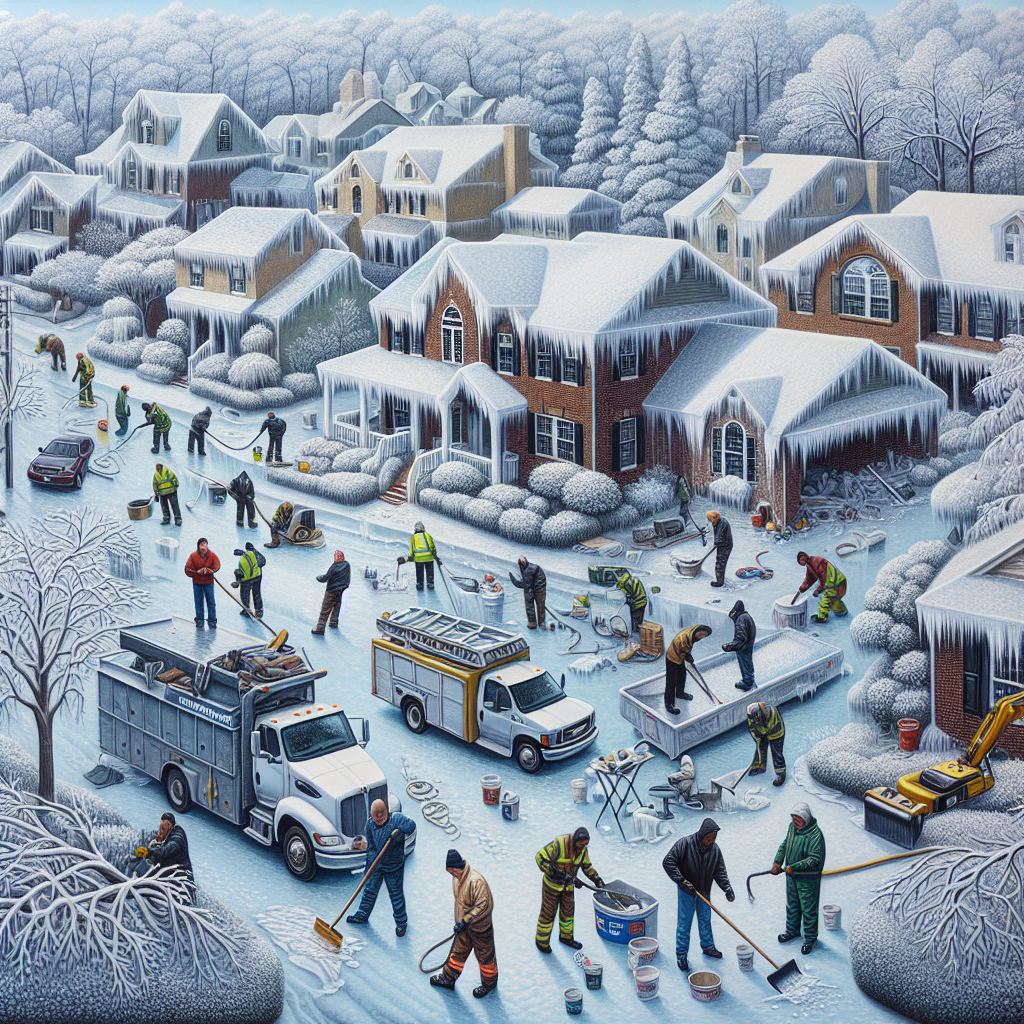
Ice storms bring hazardous conditions that extend beyond slippery roads and power outages. When ice accumulates on roofs, trees, and power lines, it can lead to:
- Burst pipes from rapidly freezing water inside plumbing
- Roof leaks due to ice dams forming at eaves
- Flooding from melting ice and snow
- Water infiltration caused by cracked windows or damaged siding
Because of these risks, timely water restoration is critical to avoid costly structural damage and mold growth after the storm subsides.
Before the Ice Storm: Preparation Tips to Prevent Water Damage
Proper preparation can significantly reduce the likelihood of water damage during an ice storm. Consider the following preventative measures:
1. Insulate and Winterize Pipes
- Wrap exposed pipes with heat tape or foam insulation.
- Seal leaks or drafts near pipes using caulk or spray foam.
- Let faucets drip slightly to keep water moving and prevent freezing.
2. Clear Gutters and Downspouts
- Remove debris to ensure proper drainage and reduce ice dam formation on roofs.
- Check that downspouts direct water away from your foundation.
3. Inspect the Roof and Attic
- Ensure shingles are intact and repair any damage.
- Check attic insulation and ventilation to prevent ice dams caused by heat escaping inside.
4. Protect Landscaping and Outdoor Equipment
- Trim tree branches that could break under ice and damage your home.
- Secure outdoor hoses and shut off exterior water valves.
During the Ice Storm: What to Do If Water Damage Occurs
Despite your best efforts, water damage can still happen during severe winter weather. Here’s how to respond safely and effectively:
1. Prioritize Safety First
- Avoid walking under ice-laden trees or wires.
- Turn off electricity if water is coming into contact with outlets or appliances.
- Use a flashlight instead of candles for lighting.
2. Address Leaks Immediately
- Catch water using buckets or towels to limit spread.
- Temporarily patch leaks with plastic sheeting or waterproof tape.
3. Prevent Pipe Bursts or Flooding
- Turn off the main water supply if a pipe is leaking or burst.
- Open cabinet doors under sinks to allow cold air circulation.
After the Ice Storm: Effective Water Restoration Steps
Once the storm has passed, prompt action is essential to restore your home and prevent long-term damage:
1. Inspect for Water Damage
- Check walls, ceilings, floors, and basements for signs of leaks or flooding.
- Document damages with photos for insurance claims.
2. Extract Standing Water
- Use pumps, wet/dry vacuums, or call professional restorers for large volumes.
- Remove wet carpets, rugs, and furniture to dry.
3. Dry and Dehumidify
- Set up fans and dehumidifiers to reduce moisture levels.
- Open windows if weather permits for ventilation.
4. Sanitize Affected Areas
- Clean surfaces with disinfectants to prevent mold and mildew growth.
- Dispose of contaminated materials that cannot be salvaged.
5. Contact Insurance and Restoration Professionals
- Report damage to your insurance company promptly.
- Hire experienced water restoration specialists familiar with local conditions in Alpharetta, Johns Creek, Milton, Cumming, Buford, and Suwanee for thorough recovery.
Helpful Resources and Emergency Contacts in North Georgia
Staying informed and having access to local resources can make a big difference during an ice storm emergency:
- Local Emergency Management Offices for updates and assistance.
- Water Restoration Services operating throughout Alpharetta, Johns Creek, Milton, Cumming, Buford, and Suwanee.
- Utility Companies to report outages or leaking infrastructure.
Be sure to prepare an emergency kit with essentials like flashlights, batteries, bottled water, and blankets before the storm arrives.
Conclusion
Water damage from ice storms can cause significant problems if not addressed quickly. Preparing your property ahead of time and knowing what steps to take during and after the storm will help you protect your home in Alpharetta, Johns Creek, Milton, Cumming, Buford, and Suwanee, GA. Remember, early water restoration is the key to reducing damage and ensuring your family’s safety through winter weather challenges.
Stay safe and be prepared as the ice storm approaches!