# How Atlanta Contractors Are Leading the Way in Sustainable Building Practices

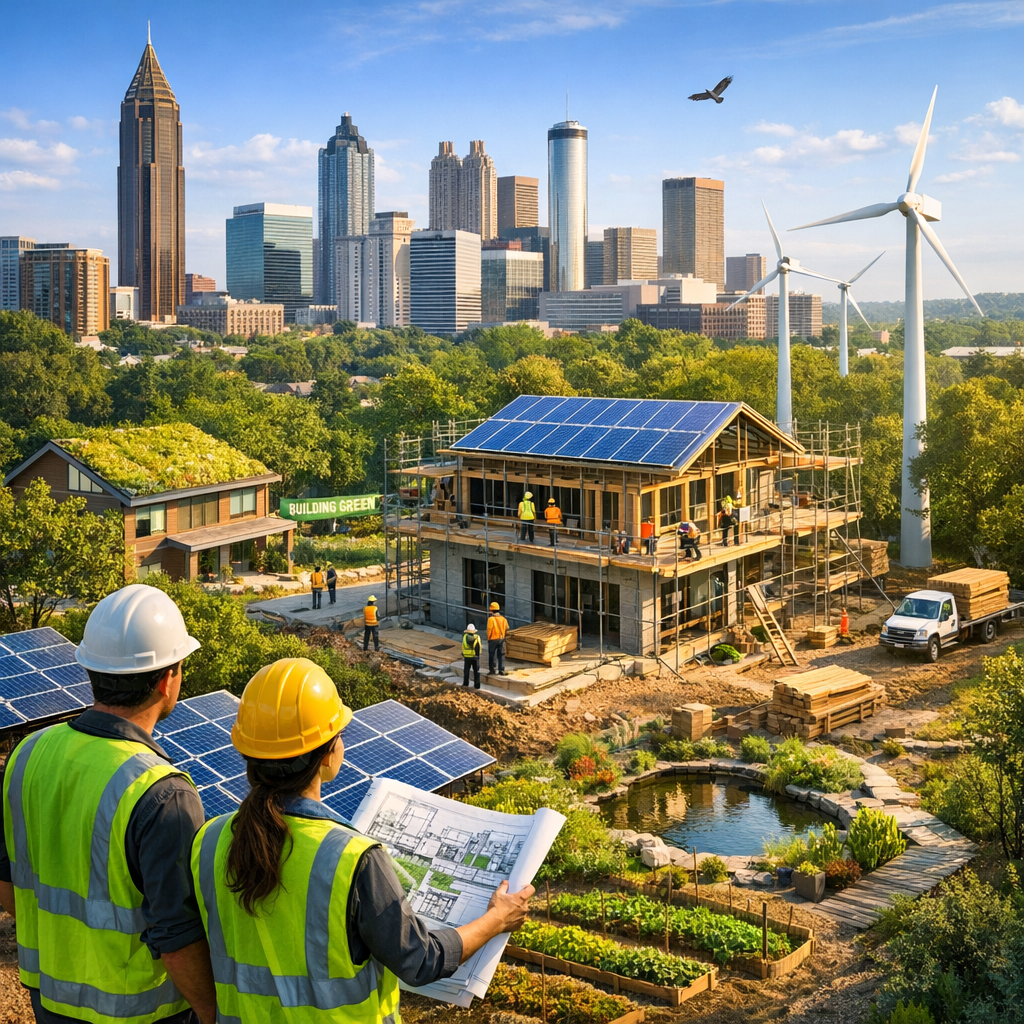
Atlanta is emerging as a leader in sustainable building practices, setting an example for other cities. Beyond just constructing energy-efficient office towers and residential buildings, Atlanta contractors are adopting holistic, innovative approaches to sustainability. This initiative not only supports environmental conservation but also enhances economic growth and community well-being. Here’s how these pioneers are reshaping the construction landscape.

Embracing Green Building Certifications


LEED Certification


Many Atlanta contractors prioritize obtaining LEED (Leadership in Energy and Environmental Design) certification. This globally recognized mark of achievement focuses on various sustainability aspects, including energy saving, water efficiency, CO2 emissions reduction, improved indoor environmental quality, and stewardship of resources. Projects aiming for LEED certification are meticulously planned to adhere to these rigorous standards, often exceeding basic compliance.

ENERGY STAR


Similarly, another sought-after certification is ENERGY STAR. Buildings following these guidelines consume less energy by utilizing energy-efficient components and systems. This means lower operational costs and reduced environmental impact over the building's life.

Innovation in Materials and Resources


Recycled and Sustainable Materials


One standout strategy is the use of recycled and sustainable materials in construction projects. Contractors in Atlanta are increasingly opting for reclaimed wood, recycled steel, and other materials that do not deplete resources. This approach significantly reduces the carbon footprint associated with manufacturing and transporting new materials.

Local Sourcing


Furthermore, more contractors are choosing locally sourced materials. This method not only supports local economies but also cuts down on emissions from transportation. Locally sourced stone, wood, and brick are popular choices among sustainable projects in the city.

Advanced Energy Solutions


Solar Energy Integration


Integrating solar panels into new buildings is becoming a standard practice for Atlanta contractors. This shift helps make structures self-sufficient in energy consumption and less reliant on traditional energy grids. Solar energy, a clean renewable resource, dramatically reduces greenhouse gas emissions and is cost-effective over time.

Smart Building Technologies


The implementation of smart building technologies is another area where Atlanta contractors excel. These systems optimize energy use — for instance, by controlling lighting and heating based on occupancy — and maintain high standards of comfort and safety.

Water Conservation Techniques


Rainwater Harvesting


To combat water wastage, many contractors incorporate rainwater harvesting systems into their projects. This method collects and stores rainwater for non-potable uses such as watering gardens and flushing toilets, considerably reducing the demand for treated water.

Low-Flow Fixtures


Efficient fixtures that reduce water usage without compromising performance are also integral to sustainable buildings in Atlanta. Installing low-flow toilets and faucets helps conserve water, a crucial step toward sustainability in a region that has experienced water shortages.

Enhancing Indoor Environmental Quality


Contractors are also focusing on the indoor environment, understanding that sustainable buildings should be healthy spaces. Using low-VOC (volatile organic compounds) paints and finishes reduces indoor air pollution. Moreover, advanced ventilation systems ensure a consistent supply of fresh air, which is essential for well-being.

Community and Economic Impact


Sustainable buildings do more than just benefit the environment; they also offer substantial economic and community advantages. They generally command higher rental rates and have lower operating costs and higher occupancies compared to traditional structures. Moreover, these buildings contribute to a healthier and more aesthetically pleasing community, attracting businesses and residents alike.

Conclusion


Atlanta contractors are indeed at the forefront of integrating sustainable practices in the building industry. Through their commitment to green building certifications, innovative use of materials, energy solutions, and water conservation, they are setting standards that promote longevity, sustainability, and community health. This proactive approach not only benefits the current population but also sets a commendable precedence for future generations.